French military specialist in Human Resources
Introduction
The Armenian Armed Forces have currently embarked on profound transformations. With an evolving defense budget and increasing international partnerships, human resource management is emerging as a strategic pillar to ensure the resilience and effectiveness of military forces. In 2025, the Armenian government adopted a Concept of Transformation of the Armed Forces for the period 2025–2035, which emphasized professionalization and modernization. This framework document highlights the need for a strategy dedicated to Human Resource Management (HRM), integrating aspects such as recruitment, training, motivation and human rights.
To draft a new human resource management strategy, it is necessary to examine the current external and internal situation, identify challenges and propose a rigorous methodology, inspired by international practices, cooperation with NATO and other allies.
- State of Human Resource Management in the Armenian Armed Forces:
Historically, the Armenian Armed Forces are based on a mandatory conscription model, with two-year military service for men aged 18 to 27. However, recent reforms aim to reduce this duration to 1.5 years from 2026, in order to promote a transition towards a more professional army.
Current challenges include:
Recruitment and retention: Demographic dynamics and the necessity of increasing the attractiveness for military careers.
Training and development: Need to align programs with modern international standards, including combined combat doctrine, command by intent, and strategic leadership.
Human rights and accident prevention: Inadequate coordination of efforts being underway to promote individual well-being in the Armed Forces, reduce accidents in service, intensify the ongoing efforts targeted at the protection of women’s rights and prevention of abuse.
Technological integration: With investments in the military industry there is a need to train appropriate qualified exploiting and serving personnel for advanced technologies (notably cyber-) and increasingly sophisticated weapons (drone, artillery, ground-to-air defense systems).
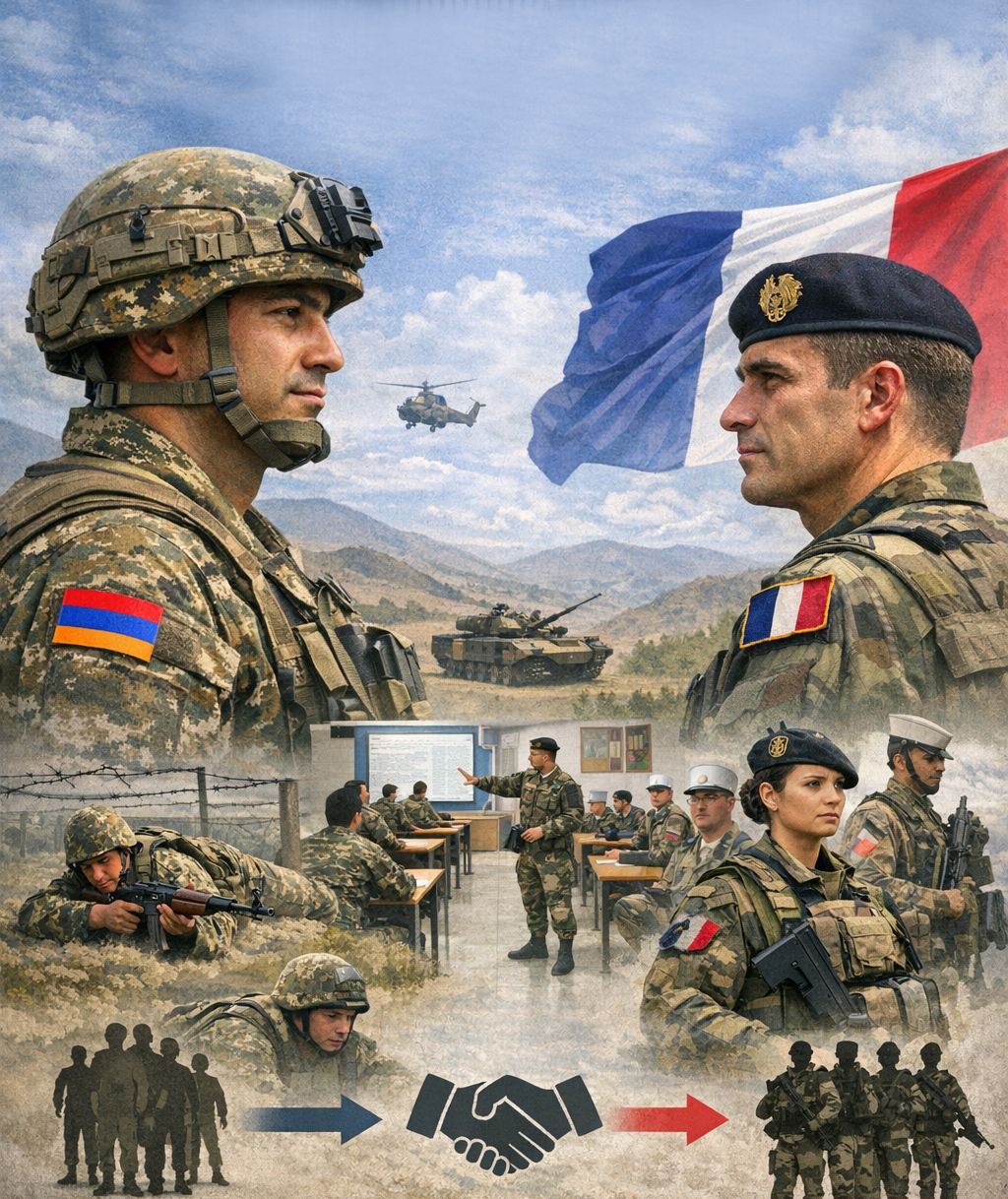
International partnerships, such as NATO’s DEEP Program, support these reforms by prioritizing the drafting of a human resources strategy. In addition, collaborations with France, the United States and the United Kingdom strengthen training and integrity capabilities through anti-corruption policies.
- HRM Issues and Challenges for a New Strategy:
The drafting of a HRM strategy must address several strategic issues:
Geopolitical: in a climate of the current tension in the world, to effectively address the possible challenges the Armenian Armed Forces must optimize their human resource management by diversifying alliances and modernizing defense postures.
Demographic: in terms of limited human resources incentives are needed in order to engage and retain talents.
Economic: the effectiveness of human resource management is of key importance in terms of using the given limited resources at best.
Human and ethical: enhance international standards for rights, including gender equality and mental health of soldiers, as promoted by reports on human rights practices.
These challenges highlight the urgency of a strategy aligned with the 2025 – 2035 Transformation Concept, which identifies professionalization as a key objective.
- Methodology for Drafting a New Strategy:
The drafting of a HRM strategy must follow a rigorous methodological approach, inspired by international military best practices.
We propose the following steps:
- Diagnostic Analysis
- Assess the current status through internal audits and staff surveys.
- Use analytical tools to identify gaps, such as SWOT (Strengths, Weaknesses, Opportunities, Threats) models adapted to military HRM.
- Definition of Strategic Objectives
- Alignment with national priorities: professionalization, technological integration and respect for human rights.
- Specific objectives: increase the retention rate by 20 % by 2030, through continuing education programs.
- Multidisciplinary Consultation
- Involve the different actors and specialists: Ministry of Defense, international experts (NATO, EU) and Diaspora.
- Organize collaborative workshops to integrate diverse perspectives.
- Development and Modelling
- Write a structured document: vision, missions, performance indicators.
- Integrate innovative elements, such as a digitized management tool, strategic leadership training and partnerships for doctrinal development.
- Validation and Implementation
- Pilot tests in selected units.
- Monitoring via a monitoring system, with annual adjustments based on feedback.
This methodology ensures an adaptable strategy, with a focus on the human being as a strategic issue.
- State of current reflections:
Strategic objectives: In 2035, the Armenian Armed Forces will have achieved the first phase of their transformation and reached the desired end state in the following areas:
Armed Forces ready for defense: With an agile and optimized organization, the Ministry of Defense will be able to implement a suitable policy to identify the human resources needs of the Armed Forces and respond to them in time. Moreover, a digitized system will allow for the short- and long-term management of talent in order to reduce personnel shortages and increase Armed Forces readiness. Benefiting from a strong partnership with Western partners, the programs will be based on mission command strengthening leadership, capacity to plan and conduct operations, as well as modernizing military doctrines and tactics.
A professionalized and resilient army: The quality of personnel is the result of expertise acquired through many years of certified and rigorous training and development of controllability. To this end, Armenia can count on its foreign partnerships and the modernization of its training centres. Consequently, according to Western military culture, each staff member will be treated with respect and has the trust of peers and leaders. Each unit, down to the lowest level, will be able to act autonomously within the limits set by the higher level and seize opportunities. Disciplined and trained in the harshest conditions, day or night, each soldier will have full control over his equipment and his role in the functioning of his unit.
A strengthened link between the army and the nation: Emerging from the Armenian people, the Armed Forces have all the trust and support of society and the Diaspora. The Ministry of Defense communicates more transparently on its activities and progress in reforms. Patriotic education programs and modernizing the system of recruitment offer opportunities for young Armenians who wish to contribute to defense without necessarily joining the army, notably through their participation in the industrial base of defense. Military families and veterans are supported by a dedicated state support policy. A close link is established with the worlds of work and education to recruit and integrate talents in the defense system.
To achieve these strategic objectives, the Armed Forces of Armenia will transition to a professionalized army combining the following measures:
- Gradually reduce conscription related to the recruitment of professional soldiers;
- Develop human resources by modernizing the training and education system;
- Build a meritocratic management of career paths;
- Expand the reserve and increase its combat readiness;
Lines of effort:
- Recruit talents: Improve the image of the army with a modernized and adapted communication tool, increase recruitment through new specific programs (such as the “Defender of the Homeland” and etc.,) and by adapting physical criteria to the specific needs of the armies.
- Training the talents: Modernize training methods and infrastructure, build a corps of instructors, promote subsidiarity, strategic leadership training and command by intention.
- Retain talents: Strengthen the exemplarity of command and the spirit of cohesion, develop support programs for military families, encourage geographical mobility of military personnel.
Key factors for success:
- A modernized human resource management based on a streamlined organization with a digitized tool for optimized and more transparent management;
- An expanded reserve, equipped and trained with a modernized mobilization system;
- Improved quality of life for military personnel with enhanced support for families;
- The development of a military culture and esprit de corps within the units.
Conclusion
The drafting of a new HRM strategy for the Armenian Armed Forces gives an opportunity to transform challenges into assets for a modern and resilient army. Building on ongoing reforms and international partnerships, Armenia can strengthen its defense posture while promoting human values. Future research should assess the impact of these strategies on operational efficiency. Rapid implementation is essential to respond to current geopolitical threats.
References
- “Armenia Debates Plan to Shorten Mandatory Military Service Starting in 2026”. “The Armenian Report”, 11 September 2025 (https://www.the armenianreport.com/post/armenia-debates-plan-to-shorten-mandatory-military -service-starting-in-2026).
- “Armenia’s renewed drive towards public administration reform”. “CivilNet”, 12 July 2024 (https://www.civilnet.am/en/news/785175/armenias-renewed-drive-towards-public-administration-reform/).
- “2023 Country Reports on Human Rights Practices: Armenia”. U.S. Department of State, 2023 (https://www.state.gov/reports/2023-country-reports-on-human-rights-practices/armenia/).
- “Diaspora Armenians Investing in Armenian Military Industry, Says Minister”. “The Armenian Report”, 15 April 2024 (https://www.thearmenianreport.com/ post/diaspora-armenians-investing-in-armenian-military-industry-says-
minister).
- “Fostering human rights in the Armed Forces in Armenia”. Armenia, Council of Europe Office in Yerevan, 26 September 2024 (https://www.coe.int/en/web/ yerevan/fostering-human-rights-in-the-armed-forces-in-armenia/-/asset_publisher/ bj3ypjU6eCXy/content/fostering-effective-execution-of-the-european-court-
judgments-on-armed-forces).
Մարդու իրավունքների խթանումը Հայաստանի զինված ուժերում: Հայաստան, Եվրոպայի խորհրդի գրասենյակ Երևանում, 26 սեպտեմբերի 2024 թ. (https: //www.coe.int/hy/web/yerevan/fostering-human-rights-in-the-armed-forces-in-armenia/-/asset_publisher/bj3ypjU6eCXy/content/fostering-effective-
execution-of-the-european-court-judgments-on-armed-forces):
- “L’OTAN et Erevan renforcent leur coopération à l’appui de la réforme du secteur arménien de la défense”. NATO, 23 Juin 2025 (https://www.nato.int/ cps/fr/natohq /news_236522.htm?selectedLocale=fr).
- “National projects: Human rights and women in the Armed Forces in Armenia – Phase II”. Armenia, Council of Europe Office in Yerevan, 2020 (https:// www.coe.int/en/web/yerevan/human-rights-and-women-in-the-armed-forces-
in-armenia-phase-ii).
«Հայաստանյան ծրագրեր: Մարդու իրավունքներ և կանայք Հայաստանի զինված ուժերում – II-րդ փուլ»: Հայաստան, Եվրոպայի խորհրդի գրասենյակ Երևանում, 2020 թ. (https://www.coe.int/hy/web/yerevan/human-rights-and-women-in-the-armed-forces-in-armenia-phase-ii):
- “NATO and Armenia strengthen cooperation in support to defence education and reforms”. NATO, 21 June 2025 (https://www.nato.int/cps/en/natohq/news _236522.htm?selectedLocale=en).
- “Vers un partenariat stratégique Arménie – Etats-Unis”. “Le Courrier d’Erevan”, 06.2024 (https://www.courrier.am/fr/vers-un-partenariat-strategique-armenie-etats-unis).
- Laurent Lagneau. La France va envoyer des instructeurs militaires en Arménie. “Opex360”, 23 Octobre 2023 (https://www.opex360.com/2023/10/ 23/la-france-va-envoyer-des-instructeurs-militaires-en-armenie/).
- Michel Pesqueur. Les ressources humaines, un enjeu stratégique pour les armées”. “Ifri”, 29.03.2021 (https://www.ifri.org/fr/editoriaux/les-ressources-humaines-un-enjeu-strategique-pour-les-armees).